
September 20, 2021
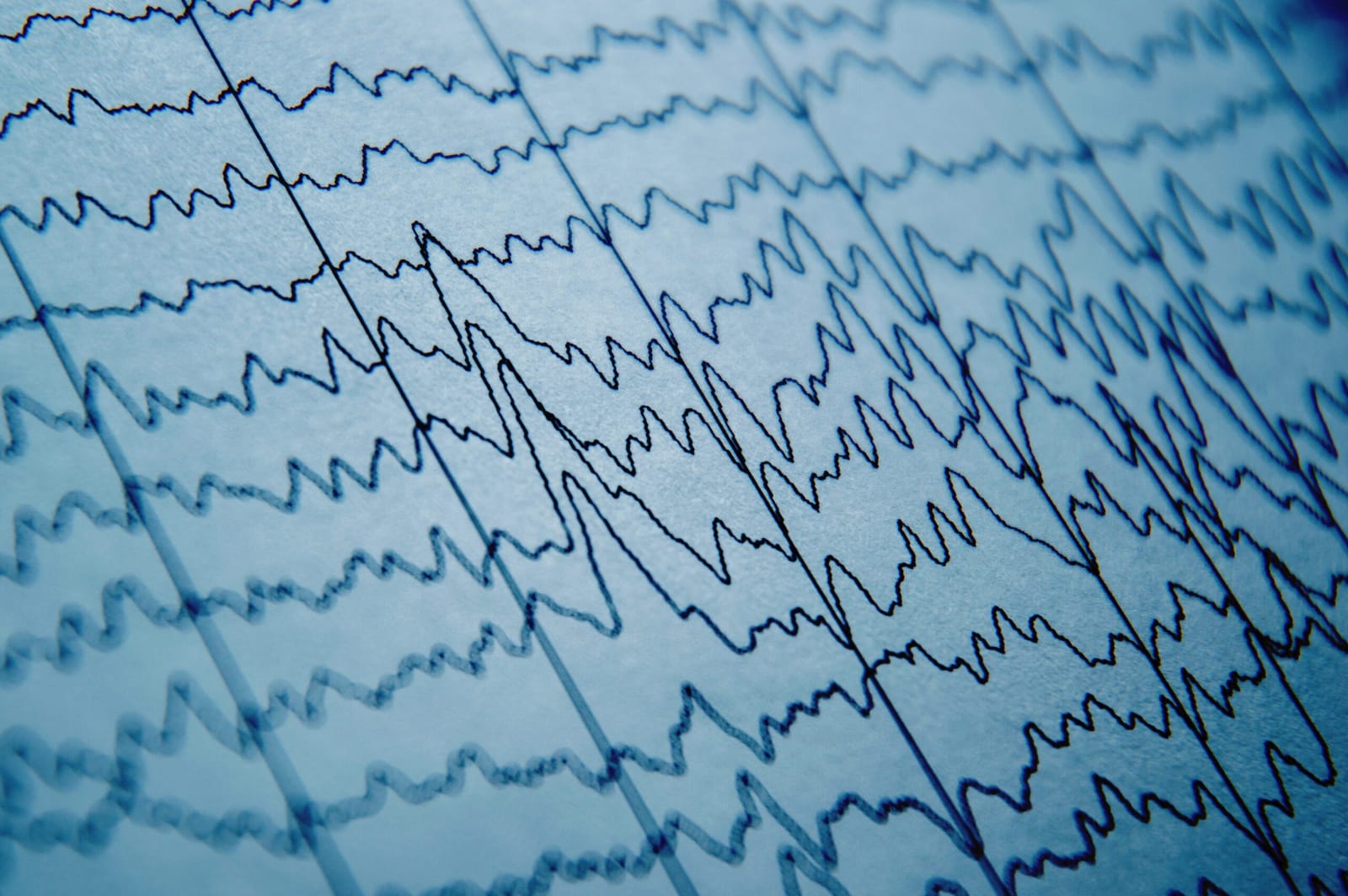
Machine Learning to Predict Anesthesia Depth from EEG
Depth of anesthesia describes a patient’s response to general anesthesia. By measuring a patient’s physiological factors, anesthesiologists estimate d
Read More →For Informational Purposes Only
The articles below are provided for general educational purposes only and are not a substitute for professional medical advice. Please read our full medical disclaimer before relying on any information found here.
Depth of anesthesia describes a patient’s response to general anesthesia. By measuring a patient’s physiological factors, anesthesiologists estimate d
Read More →
With the growing availability of COVID-19 vaccines, many Americans have had access to a second dose, which is highly recommended for both the Moderna
Read More →
Since the beginning of the COVID-19 pandemic, the National Institutes of Health (NIH) has contributed more than $3.6 billion to biomedical research pr
Read More →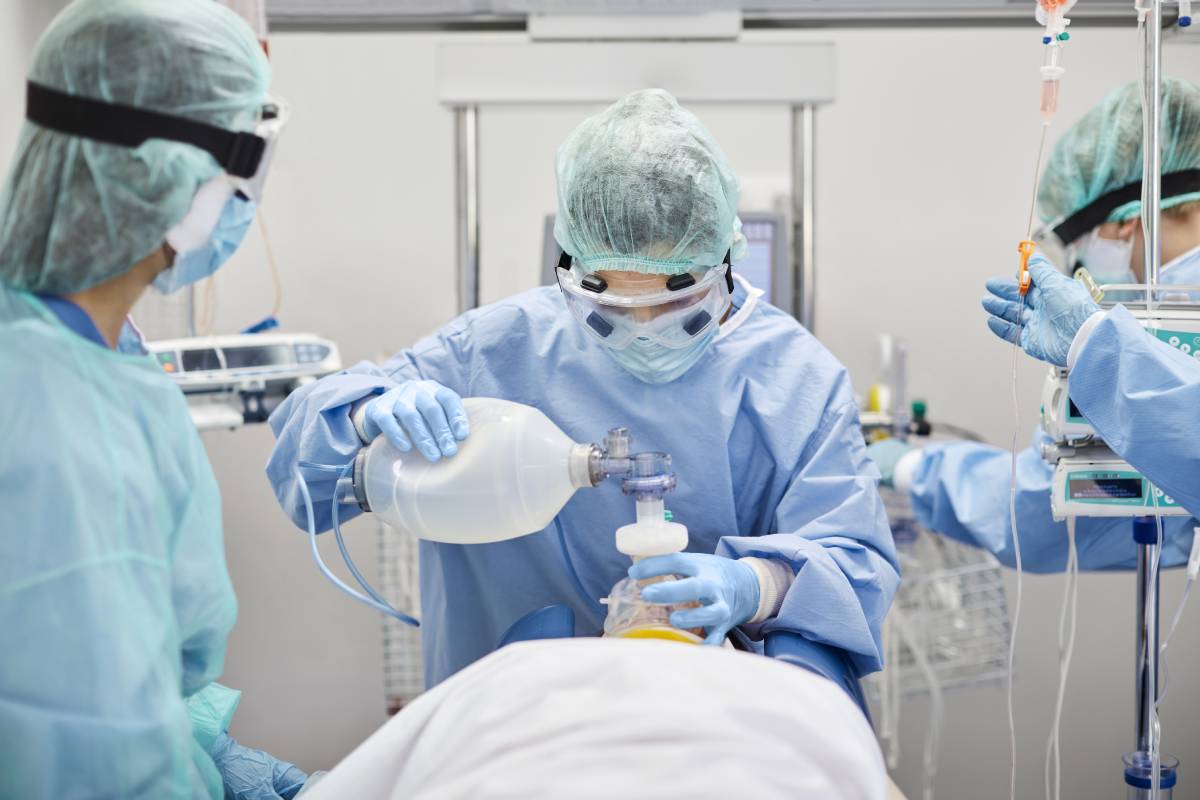
Intubation is a staple in critical care and, especially in the midst of a respiratory pandemic, has unfortunately become more common than ever. Howeve
Read More →
Approximately 50% of adults in the United States suffer from hypertension, or high blood pressure [1]. The ubiquity of the disease, combined with its
Read More →
As healthcare costs in the U.S. grow, cost-of-care conversations have become increasingly important. Between 2006 and 2019, the percentage of privatel
Read More →
The complex production of porphyrins in our bodies is highly regulated and essential for survival. An example of a porphyrin is heme, the precursor to
Read More →
Pseudocholinesterase is an enzyme produced in the liver that is found in most tissues.i Also known as butyrylcholinesterase and plasma cholinesterase,
Read More →
In current research, COVID-19 mortality and hospitalization in school-age children appears relatively low.1 However, current research also finds schoo
Read More →